


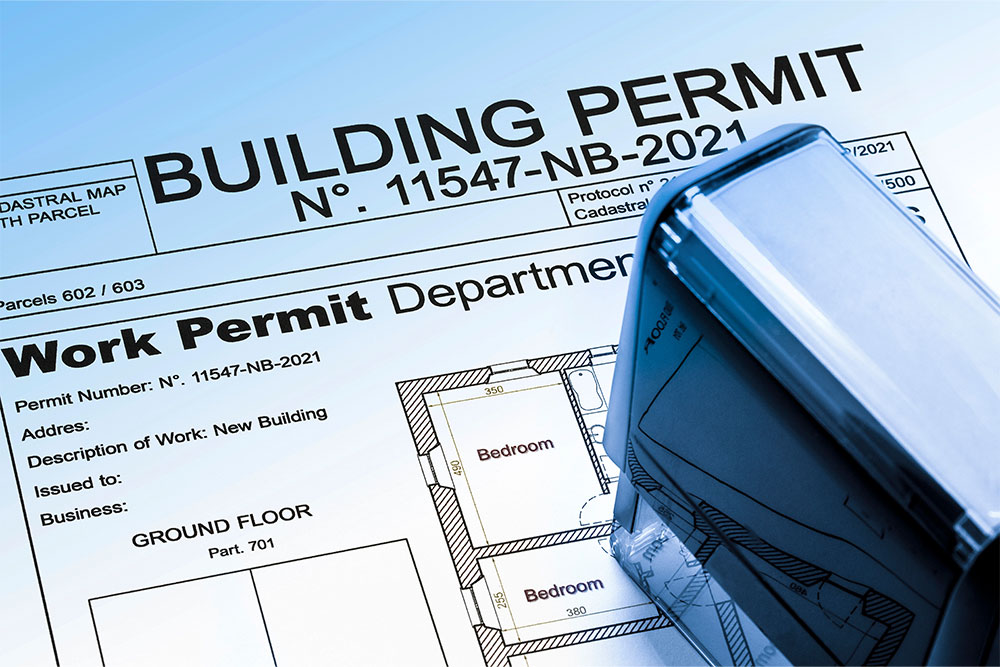
Planning to install a metal building in Texas?
Before you start, there’s one critical question: do you need a permit?
Ignoring permit requirements can lead to fines, project delays, or even forced removal of your structure. The rules vary across Texas, and what’s allowed in one city may be restricted in another.
In this 2026 guide, you’ll learn everything you need to know about metal building permits Texas, including when you need one, how much it costs, and how to avoid costly mistakes.
Do You Need a Permit for a Metal Building in Texas?
The short answer: Yes, in most cases you do.
In Texas, building permits are regulated at the local level (city or county), not statewide. That means requirements vary depending on your location.
When a Permit Is Required
You will almost always need a permit if your metal structure:
- Is permanent or anchored to the ground
- Includes electrical, plumbing, or HVAC systems
- Exceeds a certain size (typically over 120–200 sq ft)
- Is used for commercial or residential occupancy
👉 In other words: if it’s more than a small shed, you likely need a permit.
When You Might NOT Need a Permit
Some rural or unincorporated areas in Texas may have fewer restrictions.
You might not need a permit if:
- The structure is temporary
- It’s very small (tool shed size)
- Your property is outside city jurisdiction
⚠️ However, even if permits are not required, zoning rules and setbacks still apply.
Texas Building Regulations for Metal Structures
Even though Texas doesn’t have a single statewide permit system, most jurisdictions follow similar guidelines.
Key Regulations to Know
- Zoning laws: Define what type of building you can place on your land
- Setback requirements: Minimum distance from property lines
- Wind load requirements: Especially critical in Texas (storms, hurricanes)
- Foundation requirements: Concrete slab or approved anchoring system
👉 For example, coastal areas require higher wind resistance ratings, which directly impacts your metal building design.
Step-by-Step: How to Get a Metal Building Permit in Texas
Getting a permit is simpler than most people think—if you prepare correctly.
Step 1: Contact Your Local Building Department
Start with your city or county office. Ask about:
- Permit requirements
- Size limits
- Zoning restrictions
Step 2: Prepare Your Documents
Most applications require:
- Site plan (showing location on your land)
- Structural drawings or engineering plans
- Foundation details
- Contractor information (if applicable)
Step 3: Submit Your Application
Applications can often be submitted:
- Online (in major cities)
- In person (smaller municipalities)
Step 4: Pay Permit Fees
Costs vary widely depending on:
- Size of the building
- Location
- Project type
Typical range:
👉 $150 to $1,500+
Step 5: Inspections
After approval, you’ll need inspections during construction:
- Foundation inspection
- Structural inspection
- Final inspection
Common Mistakes to Avoid (That Cost You Money)
Many property owners run into problems because they skip key steps.
Avoid these mistakes:
❌ Building without a permit
❌ Ignoring zoning restrictions
❌ Using non-engineered structures
❌ Incorrect foundation setup
❌ Hiring unlicensed contractors
👉 These can lead to project shutdowns or legal issues.
How Long Does It Take to Get Approved?
Permit approval times vary depending on the city.
- Small towns: 1–2 weeks
- Mid-size cities: 2–4 weeks
- Large cities (Dallas, Houston, Austin): 3–6+ weeks
💡 Tip: Submit complete documents to avoid delays.
How Much Does a Metal Building Permit Cost in Texas?
Permit costs are usually based on project value or size.
Typical estimates:
- Small carports: $150–$400
- Medium buildings: $400–$900
- Large structures: $1,000+
👉 Additional costs may include:
- Engineering plans
- Soil testing
- Inspections
Do Rural Areas in Texas Have Different Rules?
Yes—and this is where many people get confused.
In unincorporated areas, you may face:
- Fewer permit requirements
- More flexibility in structure type
BUT:
- You may still need septic permits
- Utility connections require approvals
- HOA rules may apply
⚠️ Never assume “no permit needed” without verifying.
Why Permits Actually Protect You
Many people see permits as a hassle—but they’re actually a safeguard.
Benefits include:
- Ensures structural safety
- Protects property value
- Helps with insurance claims
- Prevents legal disputes
👉 In short: permits are not just bureaucracy—they’re protection.
Final Thoughts: Build Smart, Not Risky
If you’re planning a metal building in Texas, the safest approach is simple:
👉 Always verify permit requirements before building.
It’s faster—and cheaper—than fixing mistakes later.