


If you’re building a metal structure, one mistake can cost you everything:
choosing the wrong span for your purlins.
Too much distance without proper support leads to bending, roof sagging, or structural failure. And in Texas—where wind loads matter—this is not something you can guess.
In this guide, we’ll break down the safe span distances for purlins (4×2, 6×2, 8×2) and when you must switch to I-beams. This is based on real-world construction practices used across Texas.
What Is a Purlin in a Metal Building?
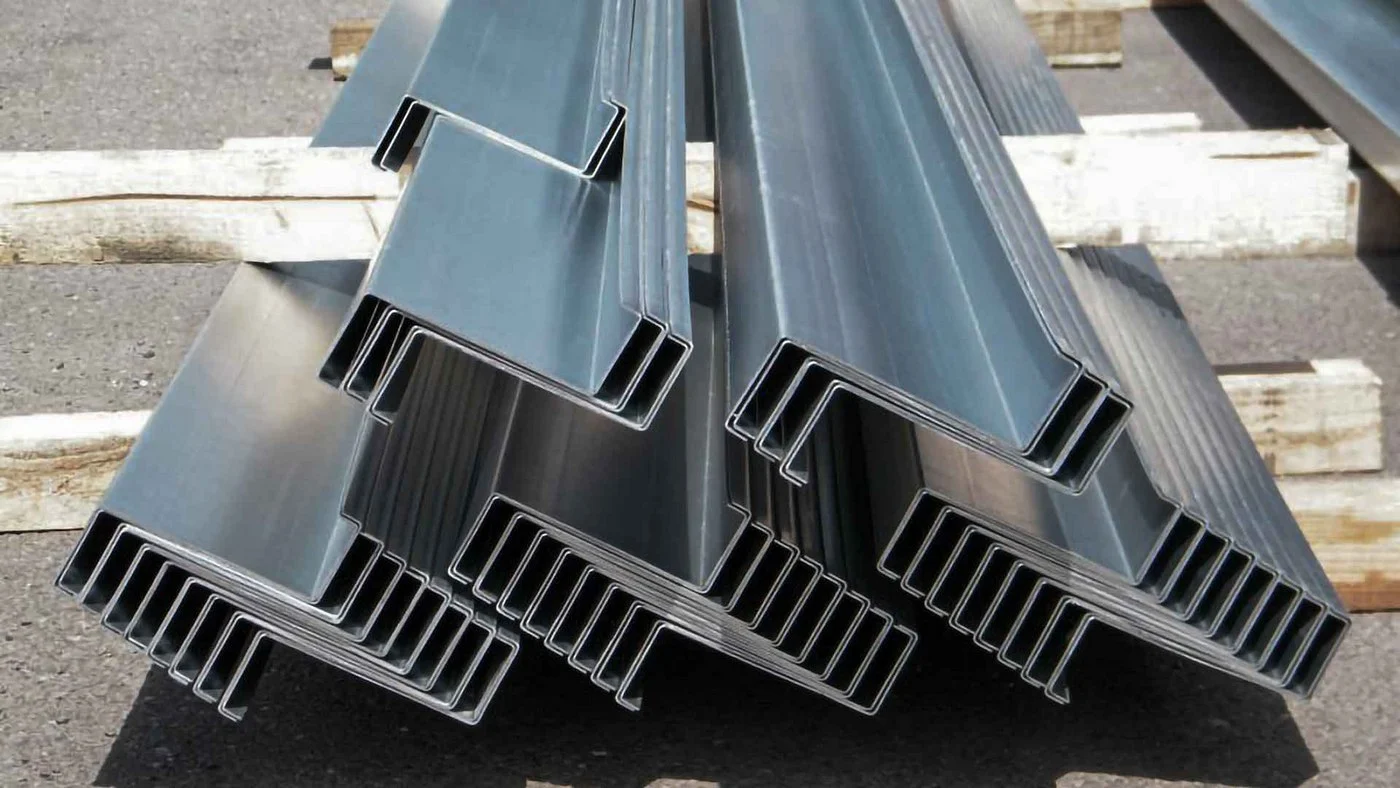
A purlin is a horizontal structural member that supports the roof panels.
Think of it as the “backbone” between your main frames.
👉 If your purlin fails, your roof fails.
Safe Purlin Span Distances (No Reinforcements)
These are practical, field-tested guidelines for metal buildings in Texas, assuming:
- No center supports
- No trusses
- No angle bracing
- Standard loads (no solar, no heavy equipment)
4×2 Purlin Span
- ✅ Safe span: up to 15 ft
- ⚠️ Risk zone: 15–18 ft
- ❌ Not recommended: 18+ ft
👉 Best for:
- Small carports
- Light-duty structures
6×2 Purlin Span
- ✅ Safe span: up to 20 ft
- ⚠️ Risk zone: 20–22 ft
- ❌ Not recommended: 22+ ft
👉 Best for:
- Medium carports
- Residential metal buildings
8×2 Purlin Span
- ✅ Safe span: up to 25 ft
- ⚠️ Risk zone: 25–28 ft
- ❌ Not recommended: 28+ ft
👉 Best for:
- Large spans
- Commercial or heavy-duty builds
When to Use an I-Beam
If your span exceeds 25 ft, you should not rely on purlins alone.
👉 Switch to:
- I-beams (main structure)
- With purlins running on top
💡 Rule of thumb:
25+ ft span = I-beam required
Why These Limits Matter (Especially in Texas)
Texas is not forgiving when it comes to structures.
Key Factors That Affect Span
- Wind loads (major factor in Texas)
- Rain accumulation
- Roof pitch
- Material thickness (gauge)
- Installation quality
👉 A span that works in calm areas may fail in Texas storms.
How to Extend Span Safely
If you need larger spans, you don’t have to redesign everything—but you must reinforce.
Option 1: Add Angle Bracing
- Reduces flex
- Increases load capacity
- Cost-effective
👉 This is one of the most common upgrades in Texas builds.
Option 2: Use Trusses (Cerchas)
- Distributes load across structure
- Allows longer spans safely
👉 Ideal for large buildings or commercial projects.
Option 3: Add Intermediate Supports
- Posts or beams in the middle
- Cuts span distance in half
👉 Simple but changes layout/design.
Real-World Example (Texas Scenario)
Let’s say you’re building:
- 30 ft wide carport
❌ Wrong approach:
Using 8×2 purlins across full 30 ft
👉 Result: sagging roof over time
✅ Correct approach:
- Use I-beams as main span
- Place purlins on top (shorter spans)
👉 Result: safe, durable structure
Common Mistakes That Kill Structures
Avoid these at all costs:
❌ Overspanning cheap purlins
❌ Ignoring wind load requirements
❌ No bracing or reinforcement
❌ Using mixed materials incorrectly
❌ Copying designs without calculations
👉 Most failures don’t happen immediately—they happen over time.
Pro Tip: Bigger Isn’t Always Better
Many people think:
“Just use bigger purlins and you’re fine.”
That’s not true.
👉 Structure design is about load distribution, not just size.
Final Thoughts: Build It Right the First Time
If you remember one thing from this guide, make it this:
👉 Span limits are not suggestions—they’re safety boundaries.
Cutting corners on structure design can cost you far more later.